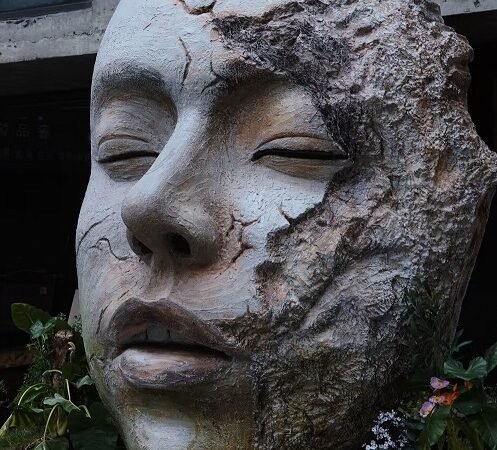
Public sculpture can transform a space, strengthen a destination’s identity, and create memorable experiences for visitors. Whether placed in a mixed-use development, university campus, public square, a well-conceived artwork can become a lasting part of a place’s story.
Successful public art, however, is rarely the result of selecting an artwork and finding a location for it. The strongest projects begin with thoughtful planning and collaboration from the earliest stages of development.
Here are seven considerations that help lay the foundation for successful public art.
- Begin with the Purpose
Before discussing materials or artistic styles, ask a simple question:
What should this artwork achieve?
A sculpture may create a welcoming arrival, celebrate local culture, encourage community interaction, or establish a distinctive identity for a development.
The clearer the purpose, the stronger the project.
- Let the Site Shape the Design
Public sculpture should grow naturally from its surroundings. Architecture, landscape, pedestrian movement, sightlines, and natural light all influence how an artwork will be experienced. A successful sculpture does not compete with its environment—it enters into a dialogue with it.
Understanding the site early often leads to better artistic and practical decisions.
- Think About the People Who Will Experience It
Public art is part of everyday life.
Residents, visitors, employees, guests, and local communities will all interact with the work in different ways. Some may pause to reflect, others may photograph it, while children may simply enjoy exploring the space around it. The most memorable public sculptures invite curiosity and create opportunities for personal connection.
- Build the Right Team
Public art is a collaborative process. Artists bring creativity and vision. Clients provide purpose and direction. Architects, landscape designers, engineers, fabricators, art consultants, and installation specialists each contribute expertise that helps turn ideas into reality.
The most successful projects emerge when these perspectives work together from the beginning.
- Balance Creativity with Practicality
A compelling concept should also be achievable. Material selection, structural engineering, fabrication methods, transportation, and installation requirements all influence the development of a project. Considering these factors early helps preserve the integrity of the artistic vision while avoiding unnecessary complications later.
Good planning supports creative freedom.
- Design for the Future
Public sculptures are often expected to serve communities for decades. Durability, maintenance, accessibility for cleaning, and long-term environmental performance should all be considered during the design process. Materials such as stainless steel are widely valued for their strength, resilience, and ability to adapt to a variety of public settings. A successful sculpture should continue to enrich its surroundings long after installation.
- Think Beyond the Artwork
The most successful public sculptures become part of the identity of a place. Over time, they gather stories and memories. Visitors use them as landmarks, communities adopt them as symbols, and new generations discover them in their own way. The goal is not simply to install an artwork. It is to create a meaningful experience that grows with the community it serves.
At Axis Heritage, we believe that successful public sculpture begins long before fabrication and continues long after installation. The best public sculptures are not simply commissioned. They are carefully planned, thoughtfully integrated, and designed to create lasting connections between communities and the spaces they share.